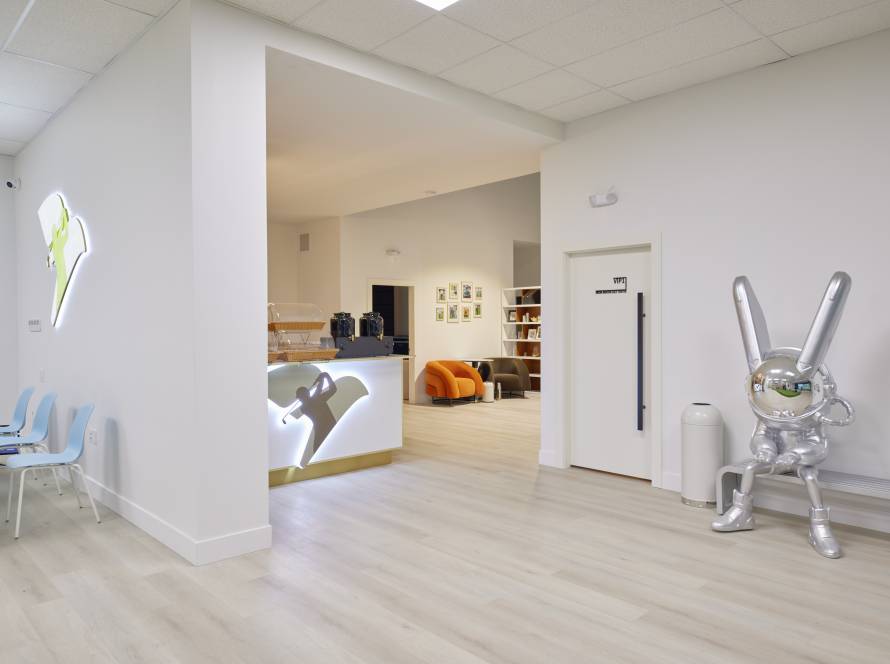
Golf is a beloved sport enjoyed by millions around the world, but it's not without its environmental costs. Traditional golf courses require extensive land use, significant water consumption for turf maintenance, and often involve the use of chemicals that can harm local ecosystems. However, the rise of indoor golf facilities like Birdie Indoor Golf presents an eco-friendly alternative that significantly reduces these impacts. Here’s how indoor golf is leading the way in sustainable sports practices.
Reduced Land Use
One of the most significant environmental benefits of indoor golf is the minimal land use required. Traditional golf courses can cover anywhere from 100 to 200 acres, much of which is manicured lawn that provides little ecological benefit. In contrast, indoor golf facilities like Birdie Indoor Golf occupy only a fraction of this space, with multiple simulators set up in a single building. This compact footprint significantly reduces the land required for golf, preserving more natural habitats for wildlife and reducing land degradation.
Lower Water Consumption
Water management is a critical issue in traditional golf course maintenance, with courses typically using millions of gallons of water each year to keep greens and fairways in playable condition. Indoor golf facilities, however, eliminate the need for irrigation. Birdie Indoor Golf uses state-of-the-art simulators that require no water, which not only conserves precious resources but also reduces the facility’s overall environmental impact. This is particularly important in areas where water scarcity is a pressing issue.
Decreased Chemical Use
A traditional golf course often uses a variety of pesticides, herbicides, and fertilizers to maintain its lush appearance. These chemicals can leach into soil and waterways, posing risks to local wildlife and ecosystems. Indoor golf facilities like Birdie Indoor Golf eliminate the need for these chemicals, offering a clean and controlled environment that does not contribute to chemical runoff. This not only helps protect the local environment but also ensures a healthier space for players.
Energy Efficiency
Modern indoor golf facilities are increasingly incorporating energy-efficient practices into their design. Birdie Indoor Golf, for example, utilizes LED lighting and energy-efficient HVAC systems to minimize energy consumption. Additionally, the technology used in simulators and other equipment is continually improving, becoming more energy-efficient and reducing the overall carbon footprint of the facility.
Promoting Sustainable Practices
Birdie Indoor Golf not only reduces its environmental impact through operational practices but also promotes sustainability among its clientele. By providing a space where players can enjoy golf year-round, regardless of weather conditions, the facility discourages the construction of new outdoor courses in environmentally sensitive areas. Furthermore, Birdie Indoor Golf engages in community outreach to educate players and the public about the importance of sustainability in sports.
Conclusion
Indoor golf represents a significant step forward in making golf a more sustainable sport. Facilities like Birdie Indoor Golf are at the forefront of this change, offering players the opportunity to enjoy their favorite game while minimizing their environmental footprint. As the sport continues to evolve, the hope is that more players and facilities will embrace these eco-friendly practices, ensuring that golf remains enjoyable for future generations without compromising the health of our planet.